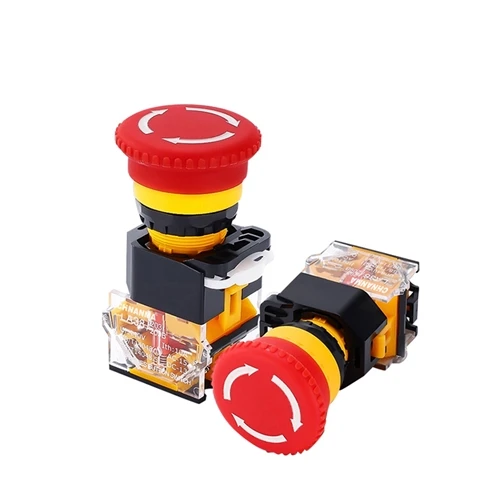
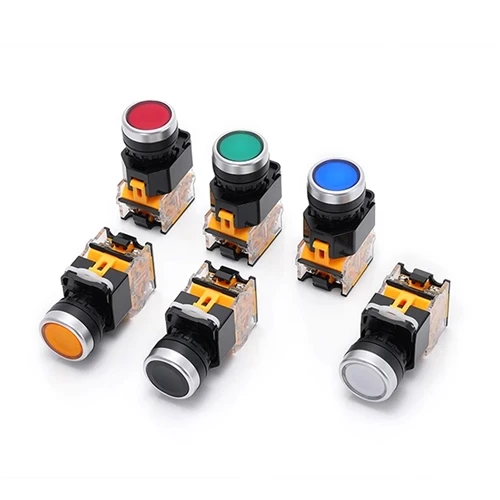
Micro switch material is generally what we call plastic material, that is, PC material, is a polycarbonate, with flame retardant, anti-distortion, anti-impact, not easy to stain, appearance lubrication, if the appearance color is white, then it is PC material, but most of the switches on the market are black, called black yeast, is also a polycarbonate material. If the smoothness is low, the polycarbonate content may be less. Then is the foot, the power switch foot there are three kinds of materials on the market with more iron, stainless steel and copper feet three kinds of materials, the surface of the foot is generally tinned and other surface treatment, so that the switch foot are a color, with a small knife to scratch the point can be distinguished.
Internal structure of the microswitch:
The micro-switch has a fine contact spacing and quick-acting organization, and the contact organization of the switch position required by the application is covered by the housing, and the external transmission is provided, and the appearance design is small. It contains: spring, button, press rod, contact, common terminal, reed, normally open/normally closed terminal.
Appearance of the micro switch:
The appearance is smooth, the work is good, it looks comfortable, and then it is the observation of the micro switch border, the size of the gap, etc. These are mainly the analysis of the switch work, followed by the design, including the foot length, the corner straight foot, the key design and so on.
Switch shrapnel structure:
At present, the internal shrapnel materials used in China are all stainless steel SUS301 materials, and many foreign countries use 304 stainless steel as materials. We need professional shrapnel life test to distinguish the quality of shrapnel, and then the feel test, and finally the button sound.
Microswitch service life:
In either direction first add 250gf force test, the time is 2 minutes, there is no cracking, loosening and other abnormalities in the platoon, satisfied with the mechanical and electrical performance. No load: the operator operates at a frequency of 18-30 times per minute. Do 100,000 no-load tests.