Releasable cable ties are fastening products equipped with a releasable locking mechanism for organizing and securing cables, wire harnesses, hoses and other components. Unlike standard nylon cable joints, their main feature is the ability to be unlocked through a release mechanism for subsequent disassembly, recombination and reuse. Released releasable cable ties provide greater ease of operation and help reduce the consumption of single-use cable connectors when frequent wiring adjustments or regular equipment maintenance are required.
I. What is a releasable cable ties?
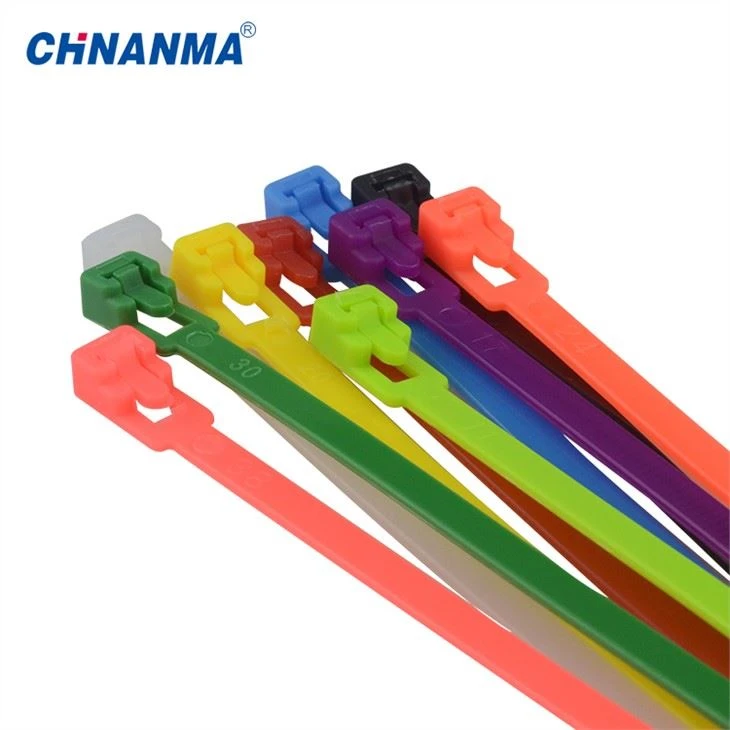
Releasable cable ties are usually composed of belts, a serrated section, and locking mechanisms. To use one, the strap goes through the lock and is pulled tight to secure the bound item. When adjustment or removal is required, the tie can be loosened by pressing the release button, switching latches, or using the specific unlocking method designed for that particular product.
Unlocking mechanisms vary by product; see specific design description of the project being used.
From a supplier's perspective of view, releasable cable ties is ideal for customers who require flexible wiring adjustments, repeat installation, or ongoing maintenance. Common applications include control cabinets, communications equipment, car wire harnesses, industrial machinery and office equipment.
II. What's the difference between a retractable cable bridge and a standard nylon cable bridge?
|
Comparison Item |
Removable Cable Ties |
Standard Nylon Cable Ties |
|---|---|---|
|
Locking Mechanism |
Usually equipped with a releasable locking mechanism |
Usually features a one-way self-locking mechanism |
|
Removal Method |
Can be released using the unlocking mechanism |
Usually needs to be cut or damaged for removal |
|
Reusability |
Reusable if the tie remains in good condition and meets usage requirements |
Mostly designed for single use |
|
Installation Efficiency |
Easy to install, remove, and adjust |
Easy to tighten and secure |
|
Maintenance |
Convenient for cable adjustments and reorganization |
Usually requires replacement after removal |
|
Applications |
Suitable for applications requiring frequent maintenance, adjustment, or reinstallation |
Suitable for general cable bundling and long-term fastening |
|
Overall Cost |
May have a higher unit price but can reduce replacement costs |
Usually lower in unit price and suitable for large-scale, single-use fastening |
While both types are used to bundle and protect cables and components, they differ significantly in lock design, reusability, and ease of maintenance.
III. What are the main advantages of a detachable releasable cable ties?
1.Ease of removal and reuse
When equipment requires repair, wiring needs to be reconfigured, or bundles need to be replaced, you can open releasable cable ties by loosening the device-so you don't have to cut the cable connections and install new ones. Reduction of certain Maintenance Costs
The ability to reuse cable ties can reduce the consumption of such fasteners when frequent cabling adjustments are required. However, whether this leads to a reduction in overall costs depends on factors such as the unit price of the product, the frequency of reuse and the number of hours of work required for maintenance.
3. Enhanced flexibility in Cable Harness Management
In electrical control cabinets, communication casings and industrial equipment, wiring configurations may change as a result of equipment upgrades or maintenance. Making it easier to add, remove, or reconfigure specific cables by using cable-free connections.
4. Facilitation of Routine Inspections
For cable harness systems that require periodic inspection, a releasable design allows maintenance personnel to open the bundles to inspect them and then re-secure them to avoid damaging the original cable ties.
IV. INTRODUCTION How to Choose the Right Releasable Cable Ties?
As a supplier of cable ties, we recommend that our customers carefully consider the following before purchasing:
1. Binding Diameter: Choose the appropriate length of cable binding and effective binding range based on the actual size of the cable or pipe being fixed.
2. Material Type: Products are generally made of nylon and other polymer materials. Choose material grades that meet special requirements such as temperature, weather and chemical resistance.
3. Lock mechanism performance: ensure that the release mechanism operates smoothly, ensure that tie is not accidentally loosened, and meet the necessary fastening requirements.
4. Tensile strength: the required rated tensile strength and safety margin are determined based on the weight, potential vibration and operating environment of the bundle.
5. Operating environment: For outdoor, humid, high temperature or chemically exposed environments, it is essential to verify the suitability and age resistance of materials.
6. Reuse requirements: If you're removing and reinstalling connectors multiple times, consult your supplier about reuse conditions and the durability of the locking mechanism-don't just rely on appearance.
In addition, when fixing cables, overtightening should be avoided as it could damage cable insulation or affect the cable harness layout.
V. In what circumstances is it most appropriate Releasable Cable Ties? Releasable cable ties are more suitable for applications that require frequent adjustment or maintenance, such as:
Electrical and electronic equipment: wiring cables used to organize wire harnesses and equipment in control cabinets.
Telecommunications equipment: used for classification and fixing of communication cables in cabinet.
Automotive wire harnesses: For wire harnesses sections that may require inspection or adjustment (subject to vehicle design specifications).
-Industrial machinery: used to organize internal cables, auxiliary pipes and related components.
Temporary device: used to bind tasks in the event of testing, debugging, or eventual disconnection.
If a fixed position does not require long-term adjustment and cost is the main consideration, standard nylon cable connections may be more economical. However, if frequent removal, maintenance or re-routing is required, releasable cable ties should be considered for
release.
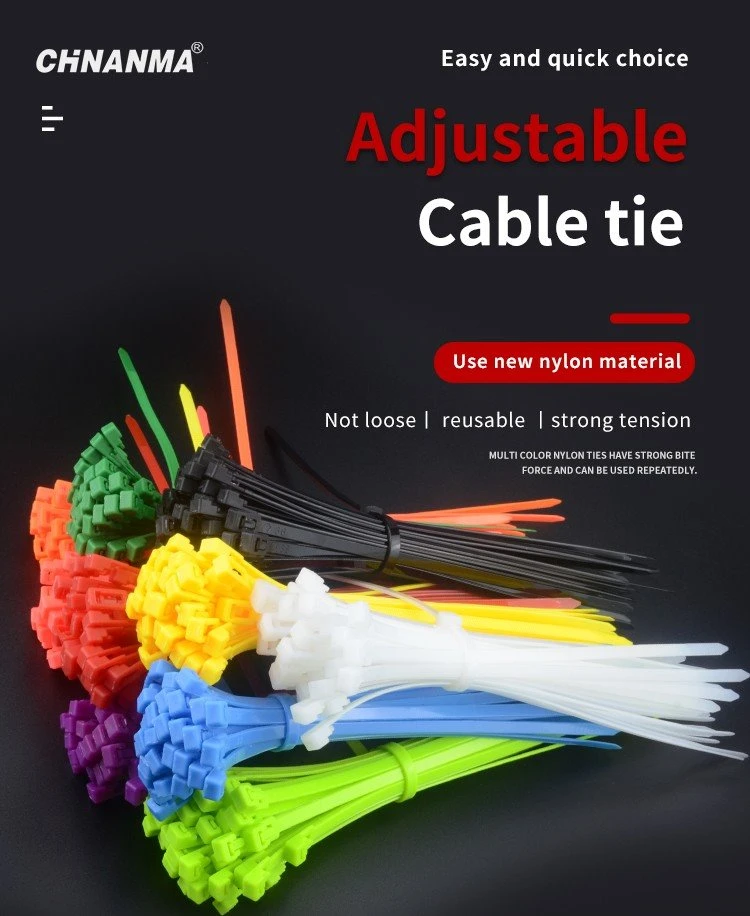
FAQ: Frequently Asked Questions about Releasable Cable Ties
Can reusable cable connections be released?
Yes, provided the belt, saw teeth and locking mechanism are in undamaged condition and the manufacturer permits reuse. If cracks, deformation, problems with the locking mechanism or obvious signs of aging are found, the tie should be replaced immediately.
Does releasable cable ties have a higher bearing capacity than standard nylon cable?
Not necessarily. Load-bearing capacity depends on materials, strap width and thickness, locking mechanism design and overall product engineering, and cannot be determined solely by the release of the tie.
Is releasable cable ties suitable for outdoor use?
Some products are suitable for outdoor use, but their UV resistance, weather resistance, operating temperature range and moisture resistance must be verified. Not all standard nylon materials have the same outdoor durability.
Q4: What information should I provide to my supplier when purchasing a releasable cable ties?
It is recommended that the required length and width, bundle diameter, operating environment, expected tensile strength, material requirements and expected frequency of use be provided. Based on these details, suppliers can recommend the most appropriate specifications.